Die globale Plattform für Holzintelligenz
← Zurück zum Arten-Explorer
Artenprofil · The Wood Explorer

Balsam fir

Abies balsamea
Pinaceae Softwood North America 51 Datenwerte

Balsam fir — species record from The Wood Explorer historical and technical reference collection.

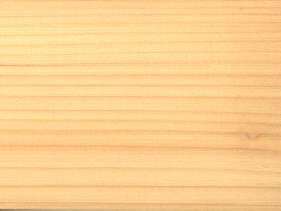
Balsam fir wood
Balsam fir
Historische Quelldaten Originale Quellenwerte bleiben erhalten 1 verknüpftes Bild 23 Quellenreferenzen 2 verknüpfte Länder

Auf einen Blick

Wissenschaftlicher NameAbies balsamea
Handels- / gebräuchlicher NameBalsam fir
FamiliePinaceae
RegionNorth America
Verbreitung
In Canada, from Newfoundland and Labrador west to northeast Alberta, then south and east to southern Manitoba. In the U.S., the species can be found in Minnesota, northeast Iowa, central Wisconsin, central Michigan, southern Ontario, New York, central Pennsylvania, Connecticut and Maine. This fir is also widely grown in Great Britain.
Verwendungen
Balusters, Baskets, Blinds, Boxes and crates, Building construction, Building materials, Casks, Chemical derivatives, Construction, Cooperages, Food containers, Interior construction, Ironing boards, Light construction, Millwork, Mine timbers, Moldings, Packing cases, Pallets, Paneling, Particleboard, Plywood, Pulp/Paper products, Pulpwood, Shipbuilding, Shutters, Stairworks, Stringers, Veneer, Windows

Länder & Verbreitung

Diese Länderbeziehungen stammen direkt aus derselben SQL-Land–Art-Brücke, die Country Detail und Global Navigator verwenden.

Holzbilder

Verknüpfte historische Bilder zu diesem Arteneintrag.

Projekte & Inspiration

Entdecken Sie mögliche Anwendungen und teilen Sie Woodley anschließend mit, was Sie herstellen möchten.

Projektbilder dienen nur als Inspiration und nicht zur Artbestimmung. Die Eignung sollte anhand der Artendaten und Projektanforderungen geprüft werden.

Balusters, Baskets, Blinds, Boxes and crates, Building construction, Building materials, Casks, Chemical derivatives, Construction, Cooperages, Food containers, Interior construction, Ironing boards, Light construction, Millwork, Mine timbers, Moldings, Packing cases, Pallets, Paneling, Particleboard, Plywood, Pulp/Paper products, Pulpwood, Shipbuilding, Shutters, Stairworks, Stringers, Veneer, Windows

Was möchten Sie herstellen?

Beschreiben Sie Woodley Ihre Idee. Woodley kann prüfen helfen, ob Balsam fir geeignet ist, und die nächsten Schritte erläutern.

Die Projektberatung kann auf diesem Arteneintrag, seinen Eigenschaften und dokumentierten Verwendungen aufbauen.

Erscheinungsbild

Heartwood color
Historical source observations are shown separately; differences may reflect source, geography, test condition or publication.
White
Brown
Yellow
Red
Green/grey
Orange
Tan
White to cream
Pale brown
Yellowish tan
Yellow to golden-yellow to orange
Greenish to greyish
Latewood area of the growth ring may have a lavender tinge.
Historische Quelldaten
Sapwood Color
Historical source observations are shown separately; differences may reflect source, geography, test condition or publication.
White
Yellow
Brown
Red
Color not distinct from heartwood
White to yellow
Often contains numerous, small knots
Historische Quelldaten

Verwendungen & Anwendungen

Common Uses
Balusters, Baskets, Blinds, Boxes and crates, Building construction, Building materials, Casks, Chemical derivatives, Construction, Cooperages, Food containers, Interior construction, Ironing boards, Light construction, Millwork, Mine timbers, Moldings, Packing cases, Pallets, Paneling, Particleboard, Plywood, Pulp/Paper products, Pulpwood, Shipbuilding, Shutters, Stairworks, Stringers, Veneer, Windows
Historische Quelldaten
Product Sources
Timber coming from Balsam fir is marketed with the spruces (Picea) in the Spruce-Pine-Fir grade.
Apart from timber, Balsam fir is also the source of many secondary products. The aromatic foliage is used in Christmas trees, wreaths, and balsam pillows. Canada balsam, an aromatic oleoresin produced from swelling or resin blisters in the bark, is used for mounting specimens for microscopes and for optical cement. Foliage of Balsam fir trees are also fodder for deer and moose in the winter season.
Historische Quelldaten

Full Technical Species Profile

The public profile includes identification, distribution, linked imagery and selected public-facing species information. Sign in to use your membership access. The complete technical record is available with an eligible paid membership.

Protected technical content includes physical and mechanical properties, working and drying characteristics, durability data, detailed technical observations, references and methodology.

Sign In  ·  Membership Options